Harbo workflow
People wanting to help fight Varroa can start by collecting assay images that preserve the evidence from each inspected cell.
Open collaboration
Help create the labelled Harbo assay dataset needed for future Varroa decision-support tools: pupa in cell, pupa removed, original cell wall and floor, mite-family evidence, no-mite cells, false positives and uncertain cases.
Why this dataset
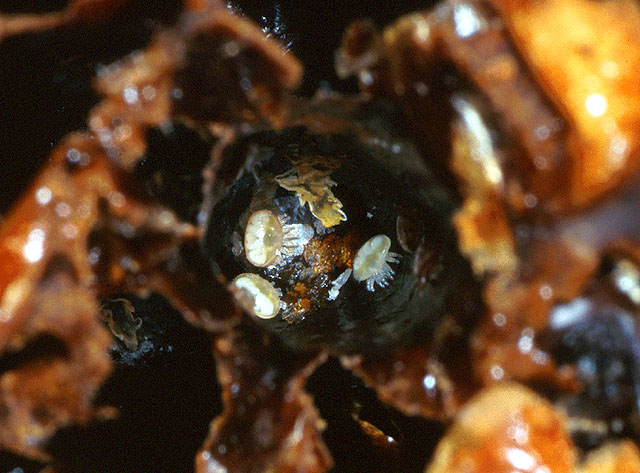
Harbo/VSH scoring depends on linked images from the actual assay: pupa in cell, pupa removed, original cell wall and floor, mite family evidence, fecal patches, false positives and uncertain cases.
People wanting to help fight Varroa can start by collecting assay images that preserve the evidence from each inspected cell.
The label language needs to distinguish reproductive, non-reproductive, non-viable, multi-foundress and uncertain cases.
Larval skin, wax flakes, pollen, glare, dark comb and poor focus are useful examples when clearly marked.
Careful, permissioned Harbo assay data comes first. Shared images and labels give future review tools something reliable to learn from.
How it connects
The Open Varroa Family Image Dataset is for shared label confidence: R, NR, NV, no-mite cells, false positives and uncertain cases. BuzzTech's Harbo workflow is where those labels become hive records that can be compared with queen source, yield and survival.
Images help operators and reviewers agree what the cell shows.
The assay result belongs to the tagged hive and season history.
Uncertain examples are useful when they are labelled honestly.
VSH labels matter most when linked back to business performance.
Assay reference images
Strong submissions document the full review sequence: the cell before removal, the removed pupa, the original cell wall and floor, and any mite-family evidence or uncertain detail.
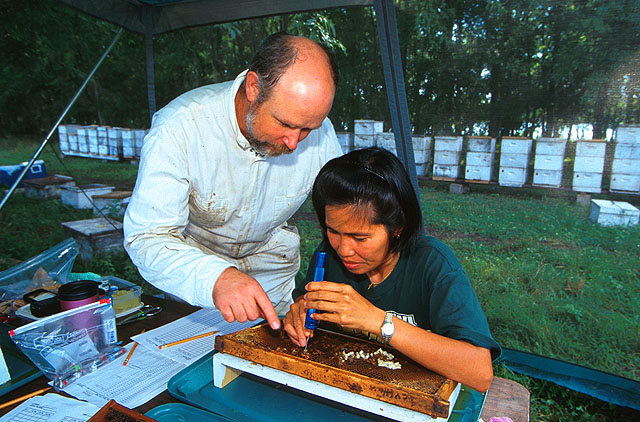
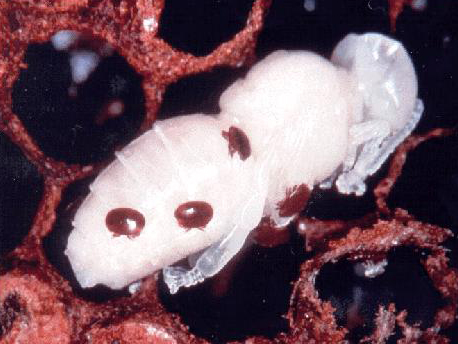
Image set needed
Labelled images are valuable. Unlabelled images are valuable too, especially if the cell relationship and basic context are intact.
Cell before removal, with brood stage context where possible.
Pupa visible outside the cell for foundress, offspring, damage and stage review.
The original empty cell, including wall, floor, fecal patch and hidden mite evidence.
Foundress, egg, male, nymph, daughter mite, mite feces, debris or uncertain area.
Useful labels
A single image can carry multiple labels. The GitHub README covers filenames, metadata fields, reviewer status and suggested confidence values.
AI assist, not AI replacement
The useful near-term system highlights likely foundress mites, offspring, mite fecal patches, bad images and false-positive risks so a trained human can decide faster and more consistently.
Decision stays human The dataset is intended to support teaching, review and assay speed. Final VSH and breeding interpretation stays with expert scorers.
Raw images, reviewed images, unlabelled images, partial labels, uncertain cases, false positives and repeated views under different lighting.
Cell ID, filename, label status, lighting type, device or microscope, contributor permission and any brood-stage or Harbo timing context.
Only contribute images you own or have permission to share. A permissive research-friendly licence is preferred.
Read the README, start with a small labelled batch, then review label and metadata quality before sending more.
Contribute data
The repo is public on GitHub. Use the README for the technical details, then use this form if you have labelled images, unlabelled images, or expert review time to offer.
Start collecting Anyone wanting to do something practical against Varroa can help by collecting Harbo assay images with labels, cell IDs, permission status and enough context to review later.