A real operation. A real crew.

One week inside a working apiary business.

This is Forest & Bees using BuzzTech: the people, the staff room, the field app and the live management screens. The shorthand is real. The pressure is real. The system is already part of how the team runs.

Photographed and captured in useThis is an approved look inside the Forest & Bees operation. These are not AI-generated scenes or fictional interface mock-ups.
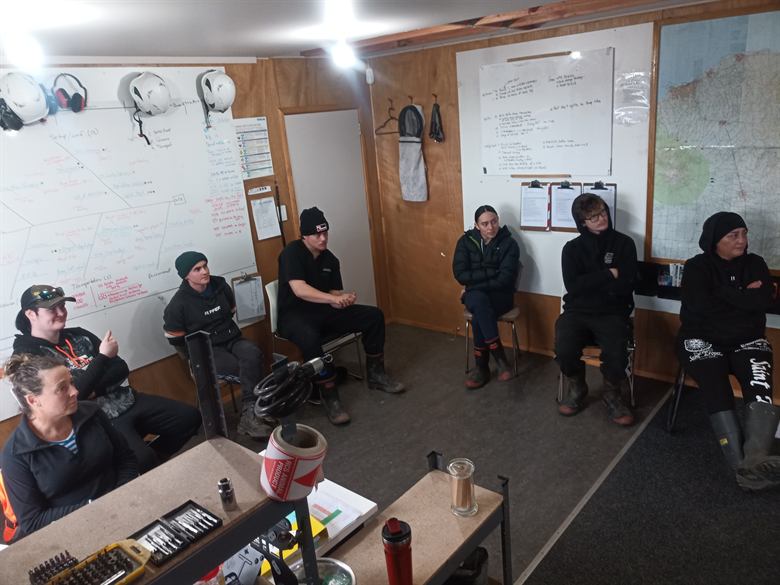
Forest and Bees crew gathered for a real working session in their staff room
The team behind the dataA working session in the Forest & Bees staff room, where field knowledge becomes the next plan.

Monday, 6:40am

The week starts on the wall, not inside one person's head.

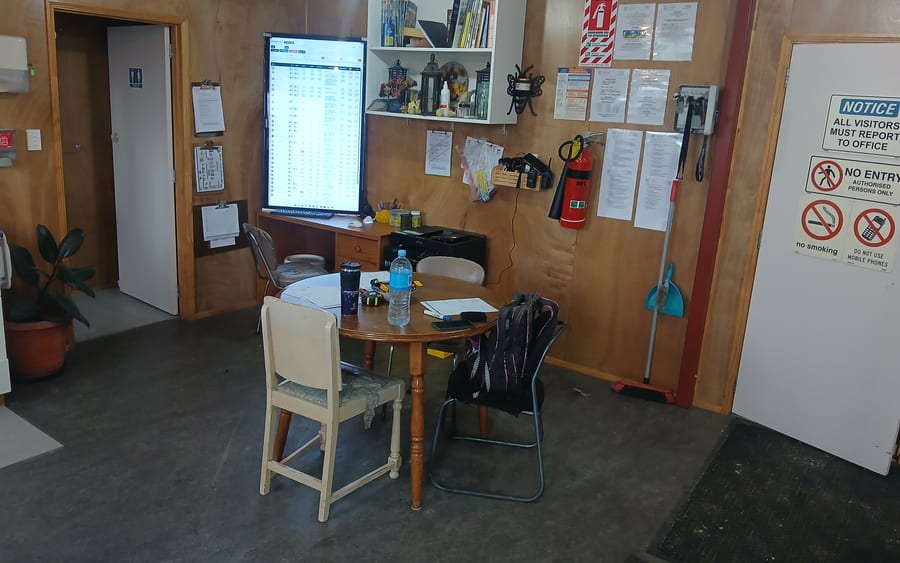
Before the trucks roll, the live ApiDash board is already in the room where the crew meets. Everyone can see what has moved, what is late and where judgement is needed.
  • The dashboard is always on; nobody has to open a spreadsheet or wait for a manager to translate it.
  • Apiaries, hive states and due work are visible to the whole team at the same time.
  • The conversation starts with the same facts, then the crew adds the context only people in the field know.
Live BuzzTech dashboard mounted vertically in the real Forest and Bees staff room
BuzzTech in the staff roomThe live operating board is part of the room and part of the morning routine.

Tuesday, before the trucks roll

The raw round record becomes a run plan.

This is what real apiary management looks like: site codes, dates, hive counts, queen notes, varroa results and the team's own shorthand. BuzzTech does not clean that reality away. It structures it so the next decision is visible.
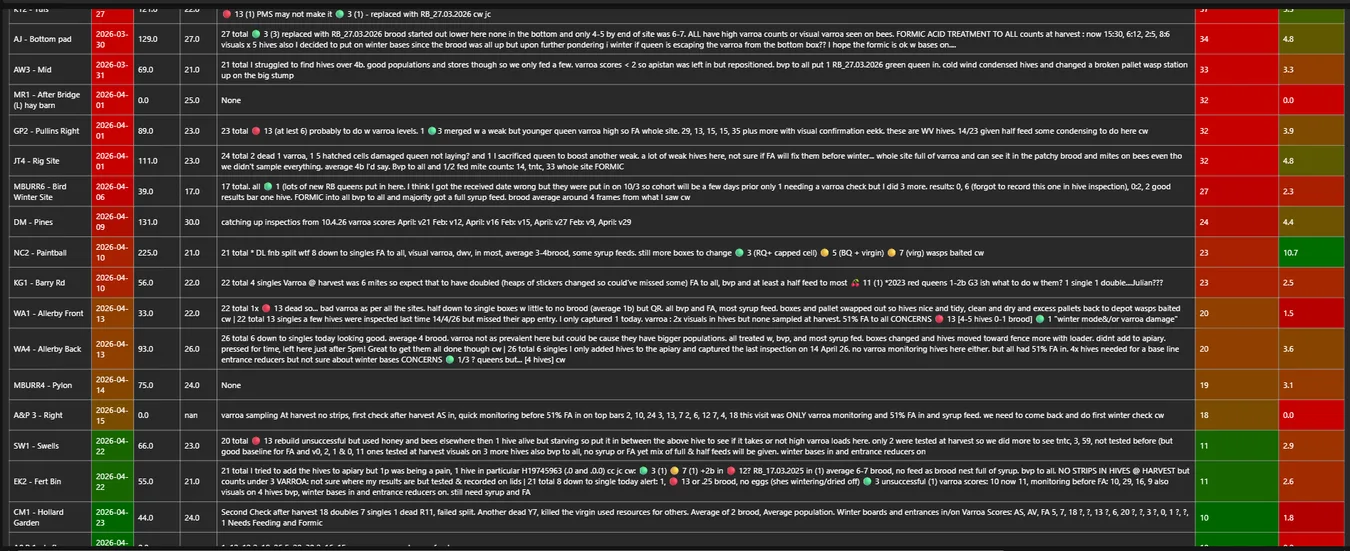
  • Red, amber and green show where time and risk are accumulating across the round.
  • The manager can read the original field note, see how long the site has waited and decide what moves next.
  • Nothing is rewritten for a report. The view is built from the records the team already made.
Real BuzzTech round record showing operational site codes, dates, hive counts, field notes, days since visit and priority scores
The real round viewWorking notes stay attached to the dates, hive counts and priorities they explain.

Wednesday, 10:30am

At the yard, the map is real and the work is already waiting.

The workload map below is the field app in use across Taranaki—not an invented demonstration. It turns the round into a geographic plan and still works when the crew drives beyond coverage.
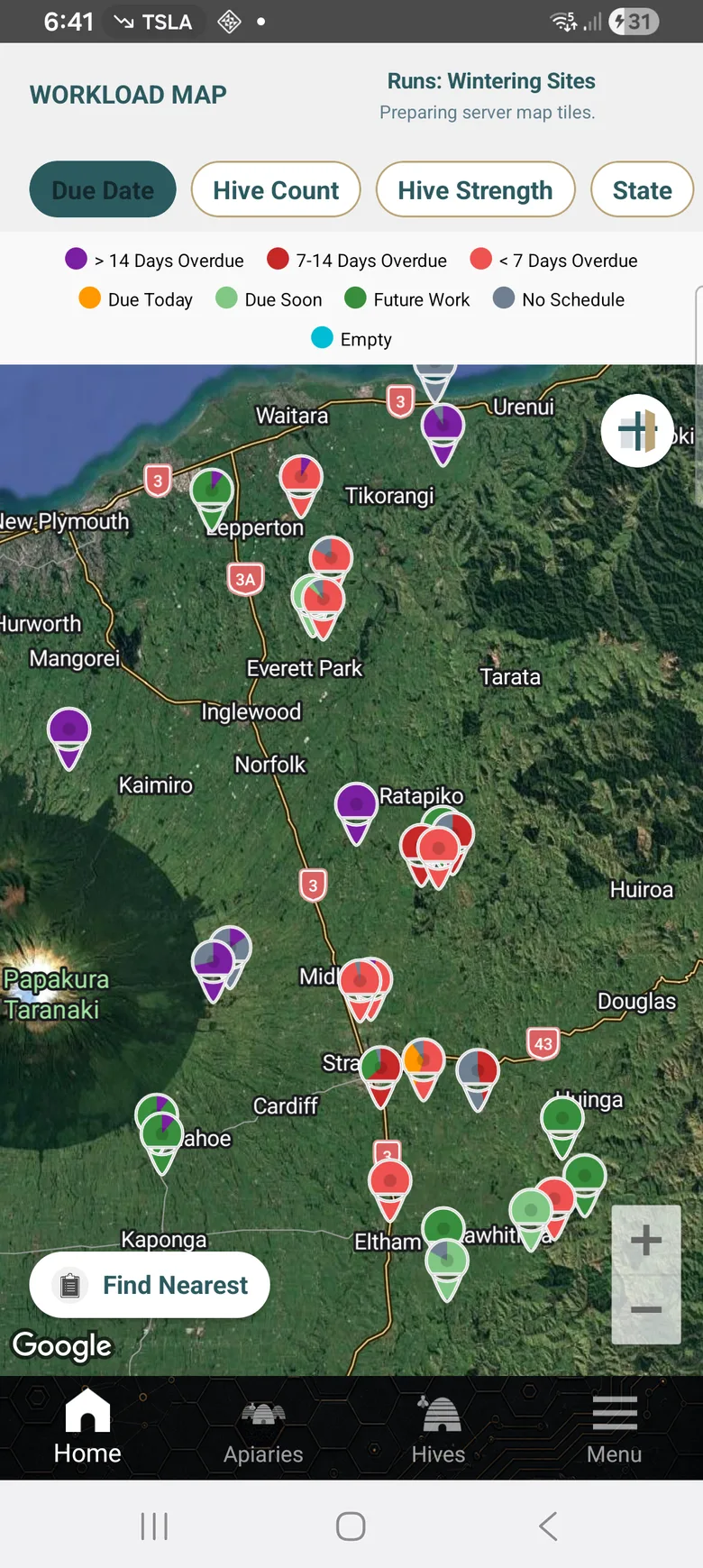
  • Each pin is a real apiary, coloured by how far the work has moved past its due date.
  • The crew can switch the same map between due date, hive count, hive strength and colony state.
  • At the hive, state, action, reason and follow-up are captured once; records sync when the truck finds signal.
Actual BuzzTech mobile workload map showing real apiaries across Taranaki coloured by due date
The live workload mapReal locations and real due-work pressure, seen by the crew on the phone.

Friday, 4:00pm

The week closes with the next round already taking shape.

The live management screens bring queen work, seasonal plans and hive-level history together. A colony's state is not a comment buried in a note; it changes what the team sees and what the system asks for next.
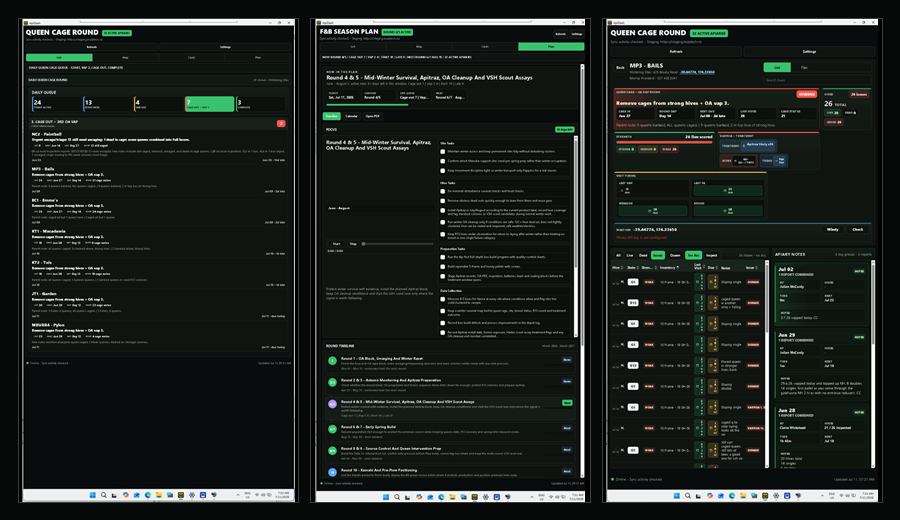
  • Queen events and colony states become a shared operational language across crews and managers.
  • Round plans keep the agreed checks, treatments and follow-ups attached to the work.
  • Friday's records become Monday's priorities without retyping, recollection or radio archaeology.
Three real BuzzTech ApiDash screens showing a queen cage round, season plan and detailed hive records
ApiDash, captured liveQueen work, the season plan and hive history remain connected from one round to the next.

What it takes to get here

Start with one workflow. Let the proof earn the next.

Begin with one crew

Choose a round or one repeated problem. Put it in front of the people who actually do the work.

No historical clean-up first

You do not need to perfect years of spreadsheets. The system can start with the next round.

Works offline

Built for yards with no coverage. Records sync when the truck finds signal.

Lid numbers are fine

Tags make repeat visits faster, but they are optional and can come later.

Your data stays yours

Forest & Bees approved this case study. Your operation is never made public without your approval.

See the depth, not a sales skin

On Zoom we open the working system and follow the records behind the screens shown here.

See it working

Twenty minutes on Zoom. A real operating system, working week in and week out.

We walk through BuzzTech as it is used at Forest & Bees: round reports, crew planning, field follow-up and the systems behind the week. You see a functioning business, not a staged demo. We do not need your hive count or operational figures to show it.

Your information stays optionalThe walkthrough uses the Forest & Bees system with permission. You choose whether to discuss your own scale, locations or commercial details.

We will reply by email to arrange the walkthrough. We do not sell operator data.