Low coverage sites
Crews need records that can be captured in the field and reconciled later without losing context.
Australia beekeeping software
BuzzTech supports Australian operators with offline field records, hive tags, GPS context, load and site history, varroa transition-to-management records, sensor exceptions and management reports that fit remote field work.
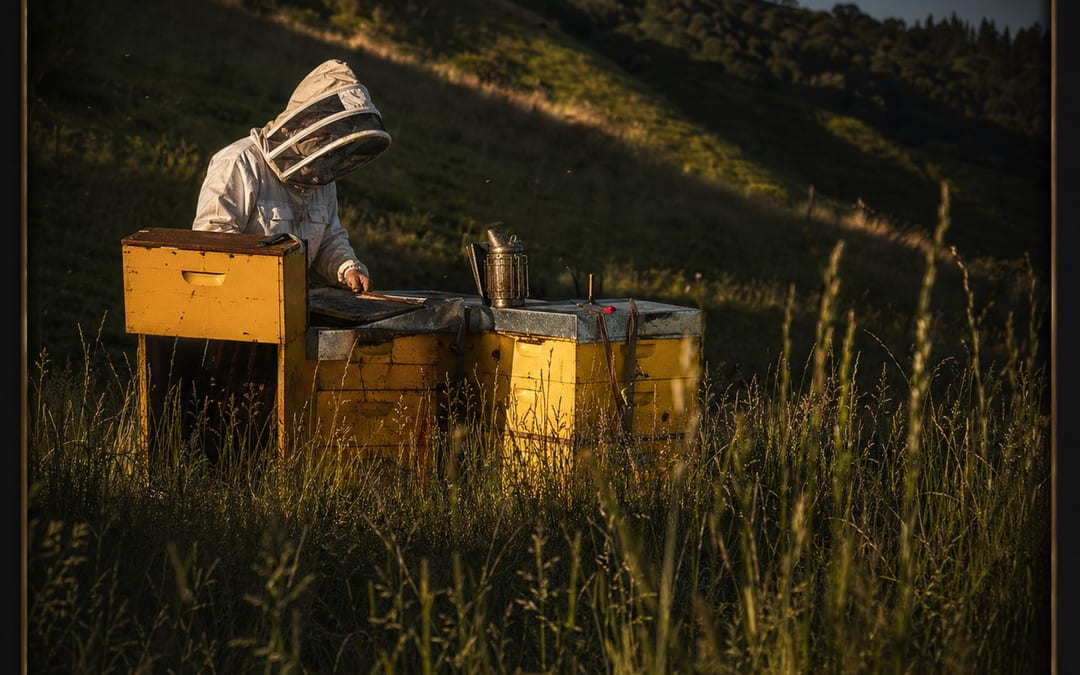
Where it helps
Crews need records that can be captured in the field and reconciled later without losing context.
Counts, treatments, monitoring dates and follow-up tasks need to become a working plan, not scattered notes.
Apiary, site, load, hive and equipment movement context matters when work is spread across distance.
Run lists, overdue work and priority maps help managers reduce wasted travel and repeated calls.
Hive strength, movement status and customer requirements can be prepared as operational proof.
Hive sensors, scales and shed readings should trigger work, evidence or review.
Built for field conditions
Patchy coverage, long runs and Varroa follow-up make the joins matter. BuzzTech keeps the field record useful after the phone comes back online.
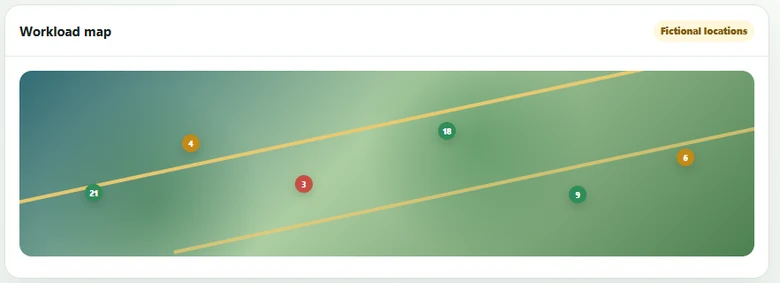
Route context and due work stay visible before the crew reaches the next remote yard.
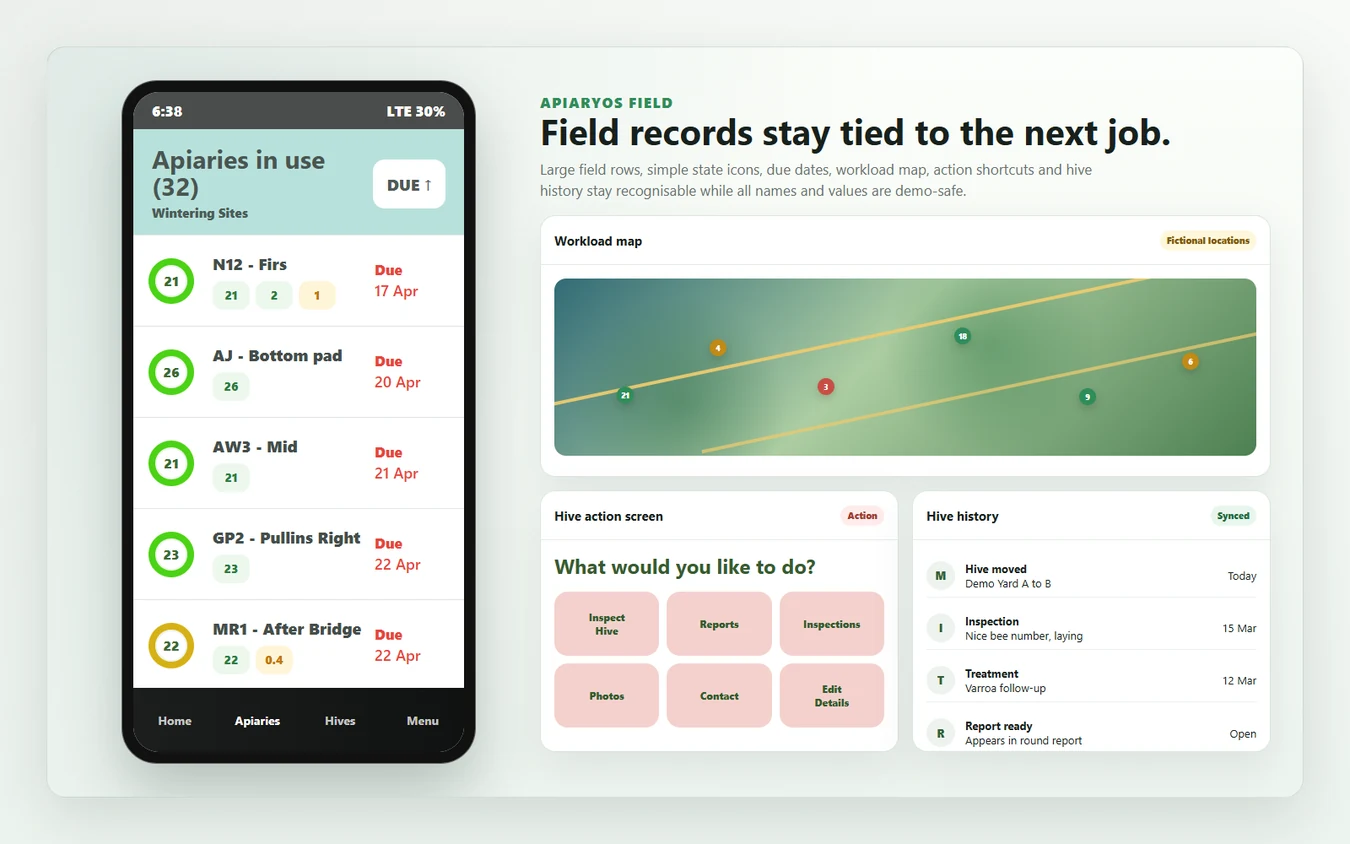
The crew can see context, record the visit and create follow-up without rebuilding it later.
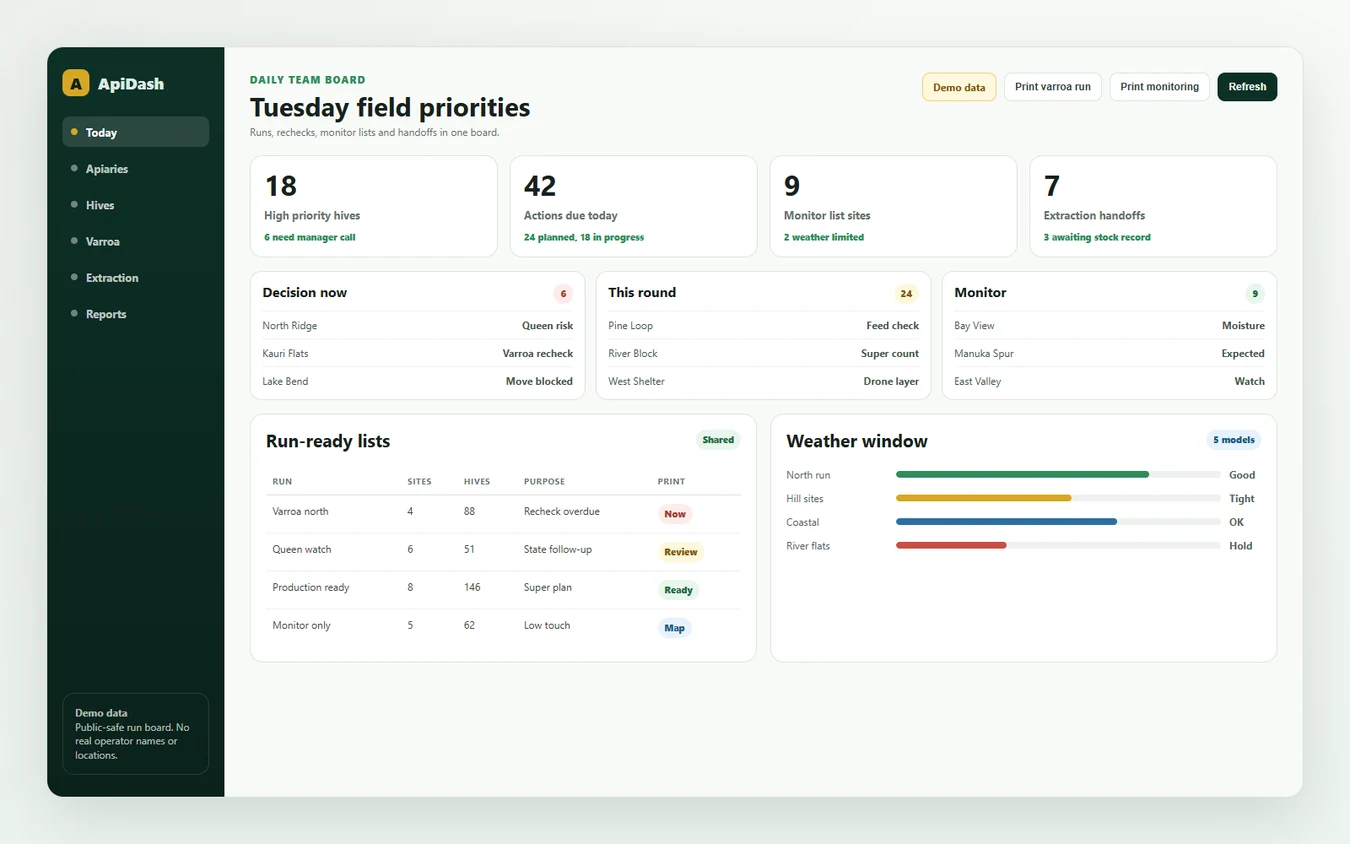
Managers see the work that is ready, late or blocked before the next vehicle leaves.
First pilot
The first Australian pilot should focus on field practicality: offline capture, site history, varroa follow-up or run planning across remote work.
Prove the workflow can be used by crews where coverage is poor.
Keep enough site and movement context to avoid wrong-site or stale-record decisions.
Turn records into due dates, overdue views and run lists.
Show a short weekly summary of what moved, what is late and what needs review.
See it working
We walk through BuzzTech as it is used at Forest & Bees: round reports, crew planning, field follow-up and the systems behind the week. You see a functioning business, not a staged demo. We do not need your hive count or operational figures to show it.
Your information stays optionalThe walkthrough uses the Forest & Bees system with permission. You choose whether to discuss your own scale, locations or commercial details.